
Updated at 21 Sept 2026
Electromagnetic fields are invisible areas of energy surrounding electrical devices and natural sources. They include static, low-frequency, and high-frequency fields, with applications ranging from communication to medical technology. Understanding their effects and safety standards is essential for health protection.
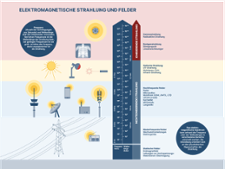
Electromagnetic fields (EMF) are physical fields produced by electrically charged objects and characterized by electric and magnetic components. These fields vary in frequency and wavelength, encompassing a wide spectrum from static and low-frequency fields to high-frequency electromagnetic radiation. Sources of electromagnetic fields include household electrical appliances, power lines, and wireless communication devices such as mobile phones and cordless phones. EMF exposure can be categorized by frequency ranges: static and low-frequency fields (such as those from power supply networks and electrical installations) and high-frequency fields (such as those emitted by mobile communication devices and broadcasting systems). The Bundesamt für Strahlenschutz (BfS) provides scientific information on the effects of EMF on health, addressing both established and debated impacts. Confirmed effects relate primarily to thermal influences at high frequencies, whereas other possible non-thermal effects remain under discussion. To protect public health, regulations set exposure limits based on scientific assessments, and precautionary measures are advised in certain contexts. The BfS emphasizes continuous research, risk communication, and the development of measurement and monitoring technologies. Additionally, they provide guidance on minimizing individual exposure and endorse compliance with legal standards and voluntary industry commitments. This comprehensive approach aims to balance technological benefits with health and safety considerations regarding electromagnetic fields.


